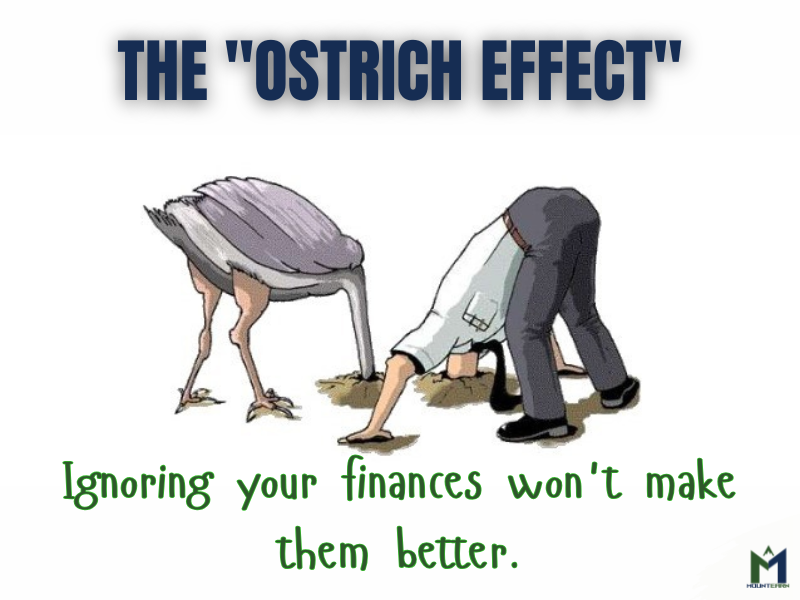

I used to think my bank account had a leak.
A few years ago, I got a decent raise. I remember sitting at my desk, looking at the new numbers on my screen, and feeling a huge sense of relief. I thought, “This is it. I’m finally going to have a cushion.”
But three months later, I was still staring at my phone on a Tuesday night, wondering why I only had $42 left in my checking account. Nothing major had happened. My car hadn’t broken down. I hadn’t gone on a wild shopping spree.
I was earning more, yet I felt more broke than ever.
That was the moment I realized I was falling victim to the one money habit that ruins your finances without you even noticing. It wasn’t a one-time disaster. It was a slow, quiet bleed that happened every single day.

What Is the Money Habit That Ruins Your Finances?
If you asked me back then what my biggest financial problem was, I would have said I didn’t earn enough. Most of us say that. But the truth is much simpler and a lot harder to admit.
The habit is mindless convenience spending.
It’s the habit of saying “it’s just ten dollars” or “it’s only a few bucks a month” every time life gets a little bit inconvenient or boring. It’s the $6 latte because you’re tired. It’s the $15 delivery fee because you don’t feel like driving five minutes. It’s the $12 subscription for a streaming service you haven’t opened since 2022.
These aren’t huge life decisions. They are tiny, reflexive choices. We make them when we are stressed, busy, or just not paying attention. We think we are buying time or comfort, but we are actually buying a future full of financial stress.
Why This Money Habit That Ruins Your Finances Is So Common
We live in a world designed to separate us from our cash as quickly as possible. Everything is a “one-click” purchase. Our credit card info is saved in every app. We don’t even have to reach for our wallets anymore; we just tap our phones.
This creates a mental shortcut. We stop seeing money as hours of our lives traded for a paycheck. Instead, we see it as a digital number that never seems to stay where it should.
There is also a lot of social pressure. We see our friends going out, ordering the extra appetizer, or upgrading their tech. We want to keep up. We don’t want to be the “boring” person who says no.
So, we say yes. We say yes to the small things over and over again until those small things become a mountain of bad money habits that we can’t climb over.
How the Money Habit That Ruins Your Finances Slowly Drains Your Money
Think about a leaky faucet. One drop doesn’t matter. But if you leave it for a month, you’ll find a flooded bathroom and a massive water bill.
Let’s look at the “money leaks” in a typical week:
- Three food delivery orders: $45 in fees and tips.
- Two “I forgot to pack lunch” meals: $30.
- Four streaming subscriptions you rarely use: $60 per month.
- The “it was on sale” item you didn’t need: $25.
Suddenly, you’ve spent $160 without even trying. Over a year, that is nearly $2,000. That’s a vacation. That’s an emergency fund. That’s the “cushion” you thought you’d have after your last raise.
The psychological impact is even worse than the math. When you constantly spend mindlessly, you lose the sense of being in control. You start to feel like money is something that happens to you, rather than something you manage.
Signs You Have This Money Habit
It can be hard to spot this habit because it hides in plain sight. However, there are a few red flags that suggest you might be suffering from these personal finance mistakes:
- The “Where Did It Go?” Feeling: You look at your balance at the end of the month and genuinely can’t remember where half of it went.
- Income Growth, No Savings: You’ve had a raise or a bonus in the last year, but your savings account hasn’t moved an inch.
- Constant Low-Level Anxiety: You’re not “broke” in the traditional sense, but you always feel like you’re one unexpected bill away from a crisis.
- The Subscription Surprise: You see a charge on your bank statement and have to spend five minutes Googling the company name to remember what it is.
How to Fix the Money Habit That Ruins Your Finances
The good news is that you don’t need to live like a monk to fix this. You just need to stop being a passenger in your own financial life.
1. The 24-Hour Rule
Before you buy anything that isn’t a necessity, wait 24 hours. Most of the “convenience” or “impulse” urges fade by the next morning. If you still want it then, at least it’s a choice, not a reflex.
2. Audit Your Digital Life
Go through your bank statement from last month. Highlight every recurring subscription. If you haven’t used it in the last 30 days, cancel it. You can always sign up again later if you truly miss it.
3. The Weekly Check-In
Don’t wait until the end of the month to look at your spending. Spend ten minutes every Sunday morning looking at your transactions. It’s not about judging yourself. It’s about building awareness.
4. Use Cash for “Fun”
If you struggle with budgeting mistakes when you’re out with friends, try using cash. When the bills in your pocket are gone, the spending stops. It’s a physical boundary that a credit card can’t provide.
Why Fixing This Habit Matters More Than Earning More
I used to believe that a bigger salary was the cure for all my problems. I was wrong. If you have a hole in your bucket, pouring more water in won’t fill it up. You have to plug the hole first.
Fixing the money habit that ruins your finances gives you something that a high salary alone never can: peace of mind.
When you stop the mindless leaks, you realize you actually have enough. You realize that you don’t need to work twice as hard to feel secure. You just need to be twice as intentional.
There is a specific kind of freedom that comes from knowing exactly where your money is going. It stops being a source of fear and starts being a tool for the life you actually want to live.
Fixing your finances isn’t about being perfect. It’s about being honest.
We all have that one thing we spend too much on without thinking. For me, it was takeout coffee and “easy” dinners. For you, it might be something else.
Don’t beat yourself up about it. Just notice it. Once you see the habit, it loses its power over you.
Take a look at your bank app today. Find one “money leak” you can stop right now. It might only be $10, but it’s the first step toward taking your power back.
More Posts
- Faceless Side Hustles: Earn Money Without Talking or Selling
- 10 Smart Money Habits That Can Improve Your Financial Life
- I Tracked Every Penny I Spent for 30 Days – Here’s What Surprised Me
If you interested in photography: Check out these