

The Envelope Method: The Budgeting System for People Who Hate Budgeting
Introduction
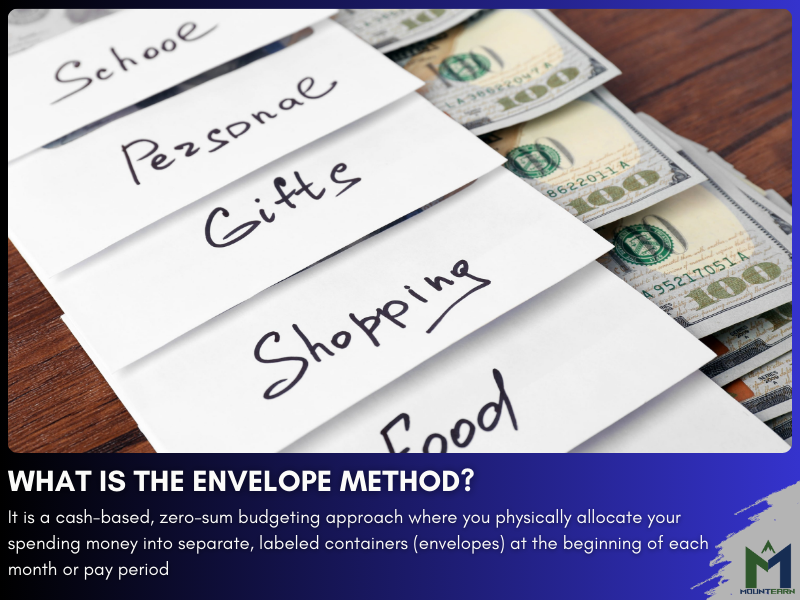
The Envelope Method is here to tell you that you are not a financial failure; you just haven’t found a budgeting method that speaks your language. Let’s be honest: The word “budgeting” often feels less like a responsible life skill and more like a cruel financial punishment. It instantly conjures up images of tedious, guilt-inducing spreadsheets, complicated apps with too many menus, and the awful, crushing feeling of inevitable failure. For most of us, it feels like a financial straightjacket—rigid, cold, and completely detached from the glorious, messy reality of our lives.
You’ve been there. You tried to be good. You downloaded the fancy app with the beautiful graphs, only to quit when logging every single coffee became too much. You need a method that speaks your language: “easy,” “visual,” and “I need to see it to believe it.”
This system isn’t new or flashy, and it definitely doesn’t require a degree in accounting. In fact, it uses the simplest, most comforting tools available: cold, hard cash, and plain old envelopes. This isn’t just about saving money; it’s about making your money tangible, giving every single dollar a real-world purpose. It’s the ultimate permission slip to stop obsessing and start controlling—the budgeting system designed specifically for the person who genuinely, deeply hates budgeting.
Why Traditional Budgeting Fails the “Hater”
Why do so many modern budgeting methods fall flat for the average, busy person? It’s simple: They strip away all the physical reality of money and replace it with an exhausting amount of mental friction and confusion.
Think about your debit card. When you tap that piece of plastic, what happens? You hear a cheerful little “ding,” the screen says “Approved,” and that’s it. The money isn’t gone; it’s just a smaller, abstract number in a glowing rectangle. There’s zero pain. There’s no visible reduction in your available resources. It makes overspending incredibly, dangerously easy because you never feel the immediate consequence. It’s the ultimate, smooth, slippery financial disconnect that encourages us to just keep swiping and hoping.
But the real killer is the mental exhaustion.
Traditional methods feel like they demand obsessive forensic accounting. We’re asked to categorize every single purchase, from a pack of gum to a new jacket, then meticulously compare the “actual” spending to the “budgeted” guess, and constantly, manually calculate those remaining balances. For a “budget hater,” this level of detail isn’t budgeting; it’s a second, unpaid, incredibly stressful job. It turns a useful chore into a soul-crushing lifestyle, and that’s precisely why the system collapses in three weeks. We don’t need an accountant’s report; we need a system that is visual, immediate, and so brilliantly simple it’s self-policing.
The Envelope Method delivers all of that, effortlessly.
What is the Envelope Method, Really?
At its core, the Envelope Method is so beautifully, primitively simple that it feels revolutionary. Forget the spreadsheets; this is a completely cash-based, zero-sum system specifically targeting your variable expenses—the fun but dangerous categories that cause the most trouble, like groceries, dining out, and impulse shopping.
Here’s the powerful, simple premise: You decide, at the start of the month, how much you can truly afford in those key areas. You withdraw that exact amount in crisp bills, and you tuck it into a physical envelope labeled with that category’s name.
The rule is your new financial bedrock: Once the money in the envelope is gone, your spending in that category stops. Period. No borrowing from tomorrow’s paycheck. No reaching for the sneaky credit card. The incredible power comes from that physical limitation—watching the cash diminish is a visceral, immediate check on impulse spending that no app notification can ever replicate. It transforms your abstract “budget” into a protective stack of tens and twenties you can actually see, hold, and trust.
Step-by-Step: Your Human-Friendly Guide to Getting Started
Step 1: 🕵️♀️ Identify Your “Bleeder” Categories
Forget the huge, fixed bills like rent or your mortgage; they’re already spoken for. The Envelope Method is designed to plug the financial leaks caused by the variable expenses—the ones that tend to bleed you dry through a thousand tiny purchases. Don’t overwhelm yourself. Start small with just three to five categories where you know you tend to shrug and overspend.
- Common Starter Categories: Groceries (the biggest offender!), Dining Out/Takeout, Fun/Entertainment, Gas/Fuel, and Personal Care (haircuts, impulse beauty buys).
Step 2: ⚖️ Set Realistic Limits (The Low-Stress Draft)
Look at your income and subtract your fixed bills. Whatever is left is your “Variable Spending Pool.” Now, honestly and realistically, divide that pool among your chosen envelopes. Crucial Rule: Don’t try to go from $800 a month on groceries to $400 overnight. That’s a setup for failure. If you currently spend $800, set your first envelope limit at $750. The goal of month one is not perfection, but gaining control and gathering data. Aim to shrink it next month.
Step 3: 💸 The “Cash Stuffing” Ritual
This is the surprisingly empowering part. Head to the bank and withdraw the total cash amount for all your envelopes. Ask for smaller bills—tens and fives are powerful psychological tools. Label your envelopes clearly (or grab a fancy binder; whatever makes you excited!). Now, physically fill them. This ritual is a financial awakening—you are physically giving every dollar a job and a place to live. You are no longer wondering where your money went; you told it exactly where to go.
Step 4: 🛡️ The “Envelope Barrier” Rule
When you leave the house to shop, you only bring the relevant envelope. Grocery shopping? Take the “Groceries” envelope. Going out with friends? Take the “Entertainment” envelope. Keep the plastic debit and credit cards saved for online purchases and fixed bills. If you reach the checkout line and the envelope is empty, the system works perfectly: you have a clear, immediate choice—put something back, or wait until next month. This is the magic of self-policing in action.
The Psychological Edge: Why This Actually Works
🖐️ The Pain of Paying is Real
Research confirms that paying with cash registers as a more emotionally painful experience than swiping plastic. That’s a good thing! Watching a crisp twenty-dollar bill leave your hand creates a tangible, split-second moment of decision. That feeling is the healthy friction that makes you pause and genuinely think twice about that impulse item—a mental checkmate that a cheerful “tap complete” noise simply can’t compete with.
👀 Visual Scarcity You Can Feel
A number in an app is abstract. It exists only digitally. But a shrinking stack of bills in your hand? That is a clear, visible countdown. When the stack gets thin, you feel a physical urgency to slow down. Your budget stops being a set of confusing rules and transforms into a very real, very physical constraint you can manage without needing to log in or calculate.
🛑 The Power of Containment
This system perfectly plugs the invisible “leakage” that ruins most budgets. Since your “Dining Out” money is physically separated from your “Fun” money, you eliminate that subconscious, casual borrowing that spirals into debt. You are given permission to spend the money in the envelope, totally guilt-free, because you know the rest of your financial future is safe and protected.
Adjusting for the Digital World: The “Digital Envelope”
Let’s face reality: we can’t pay for Netflix subscriptions or Amazon purchases with actual envelopes. We live in a world that is mostly cashless! The good news is, you can absolutely adapt the concept without sacrificing the control.
This is where the Digital Envelope steps in.
Instead of physical cash, you replicate the system using dedicated budgeting apps (like YNAB), separate checking accounts, or even just a simple spreadsheet. The key is to pre-fund the digital category before you spend. You must treat that number on the screen with the same sacred respect as a stack of twenties. You still assign every digital dollar a “job,” and when that number hits zero, you treat it like an empty envelope: you stop spending. This clever hybrid gives you the psychological clarity of the envelope system paired with the convenience of digital life.
Conclusion: The Freedom of Limits
Budgeting isn’t restriction—it’s intentionality. The Envelope Method is your tool to stop feeling guilty and start feeling powerful. It hands you the gift of a clear, simple limit, and within that clarity, you find the stress-free freedom to truly enjoy the money that remains. Start simple, grab those envelopes, and finally change your relationship with money for good.
To learn more about the psychology behind spending and budgeting, you can check out helpful guides from APA and practical money-management tools like YNAB, which explain how spending behavior changes when using cash versus cards.
Related Articles on My Website
- If you’re trying to control your variable expenses, you may also like my guide on 10 Hidden Expenses That Are Killing Your Budget.
- For more smart financial habits, check out 5 Financial Red Flags You Must Fix Before It’s Too Late.
